

- 21 Views
- 8 Min Read
- (0) Comment
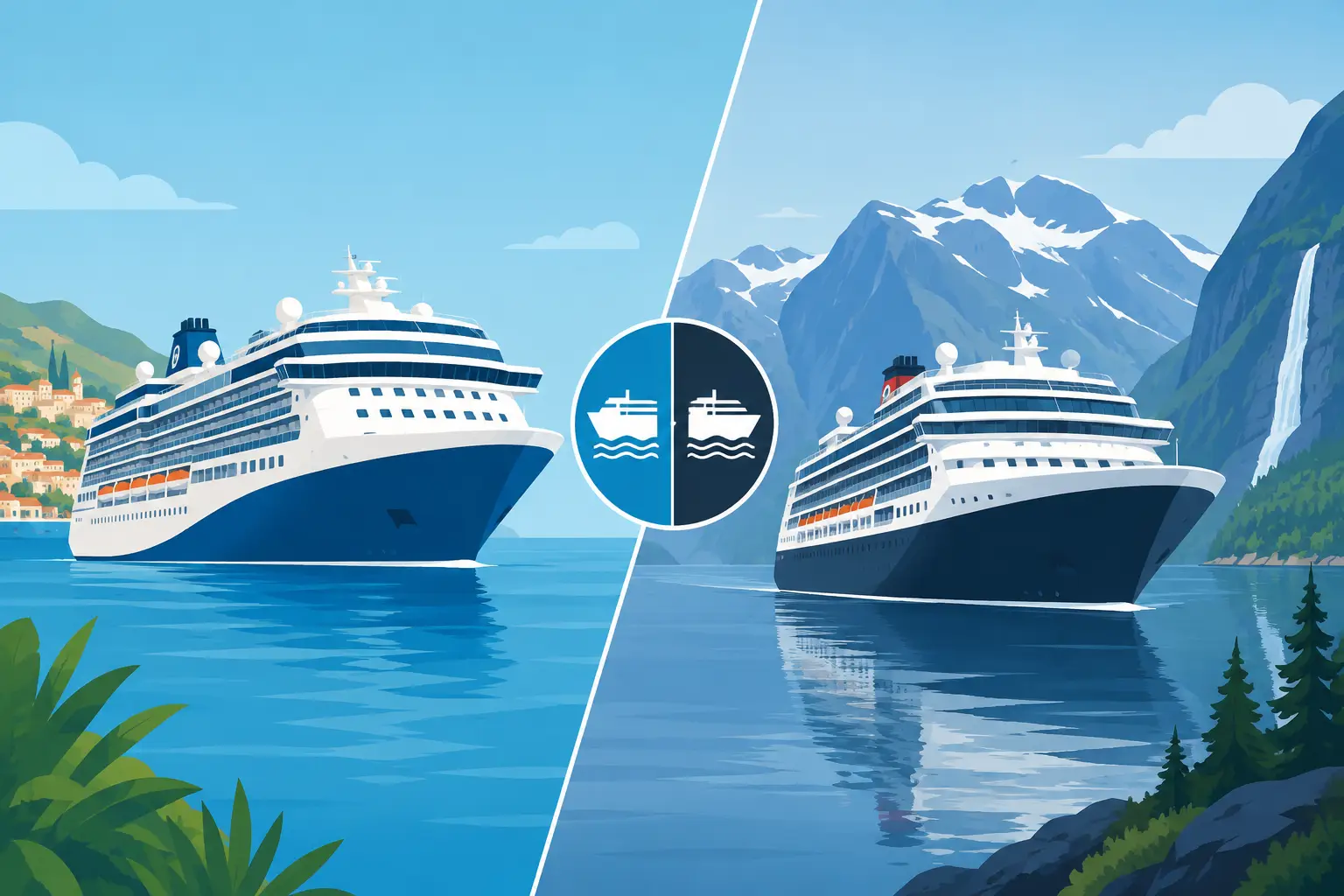
A cruise can be the setting for an anniversary toast in the Mediterranean, a long-awaited friends’ reunion in Alaska, or a quieter chance to see the world at an unhurried pace. In the Oceania versus Viking decision, both lines offer destination-rich travel and polished service, but they create distinctly different days at sea. The better choice depends less on which line is “best” and more on how you want to spend your time, dine, explore, and travel with the people you love.
Oceania Versus Viking at a Glance
Oceania Cruises is known for a refined, culinary-forward approach that pairs smaller ships with an inviting country-club atmosphere. Its ships feel elegant without requiring formal evenings, and its broad selection of specialty restaurants is a major draw for travelers who see dining as a meaningful part of the journey. Oceania also offers a wide range of itinerary lengths and regions, including grand voyages for guests who have time to travel deeply.
Viking is designed around cultural immersion and an adults-only experience. On its ocean ships, the Scandinavian-inspired look is calm, contemporary, and intentionally understated. The line emphasizes included value, destination lectures, a complimentary shore excursion in each port, and longer stays that can make travelers feel more connected to the places they visit.
Both are excellent choices for couples, friends, and adult family groups who prefer intimate ships over mega-resorts. Neither is built around water slides, casinos, late-night parties, or constant announcements. Their differences become clearer when you consider what a satisfying cruise day looks like to you.
Choose Oceania for Culinary Variety and Flexibility
Oceania appeals to travelers who want an elevated cruise experience with considerable freedom. The ships are generally small enough to feel personal, yet they offer a satisfying choice of lounges, restaurants, enrichment, and shore experiences. The overall mood is sociable but relaxed: enjoy a cocktail before dinner, attend a cooking class, browse the library, or simply linger over a memorable meal.
Dining Is Central to the Oceania Experience
Oceania’s reputation for cuisine is well earned. Specialty dining venues are typically included in the cruise fare, allowing guests to move among different restaurant concepts without watching an added-cost total grow at every dinner. Menus are thoughtfully prepared, presentation is polished, and choices often suit travelers who appreciate everything from steakhouse classics to Italian specialties and global flavors.
This is especially appealing for milestone celebrations and affinity groups. A shared dinner can become one of the trip’s most lasting memories, whether your group is discussing the day in Santorini or planning tomorrow’s market visit in Barcelona. Guests with dietary preferences can also benefit from working with an advisor in advance to communicate needs and select the right sailing.
More Choice in Ship Styles and Itineraries
Oceania’s fleet includes intimate ships and larger, newer vessels with more restaurants and public spaces. That variety gives travelers room to match the ship to the occasion. A couple planning a romantic Europe sailing may prefer a smaller, classic vessel, while a group of friends may appreciate a newer ship with additional dining and gathering spaces.
The line’s itinerary range is another strength. Oceania sails worldwide, with options spanning the Mediterranean, Northern Europe, Asia, South America, Alaska, and beyond. It also offers longer voyages that appeal to travelers who want to settle into a travel rhythm rather than rush through a short vacation.
The trade-off is that inclusions can vary by promotion, sailing, and fare choice. Shore excursions, beverages, and airfare arrangements may require closer comparison than they do with Viking. For travelers who enjoy selecting from a range of options and tailoring the trip around their preferences, that flexibility can be a benefit rather than a burden.
Choose Viking for Cultural Focus and Included Value
Viking’s ocean cruises suit travelers who want a calm, grown-up environment where the destination leads the conversation. Guests often appreciate the line’s clear approach: fewer distractions, a consistent ship design, and an emphasis on learning about the history, art, food, and traditions of each region.
An Adults-Only, Scandinavian-Inspired Setting
Viking ocean ships are adults-only, with guests required to be 18 or older. That policy can be an important deciding factor for couples, friends traveling together, and multigenerational families whose travelers are all adults. The onboard atmosphere is quiet, refined, and welcoming rather than formal or stiff.
The ships also follow a remarkably consistent layout and design philosophy. Once you know one Viking ocean ship, you will feel comfortable on another. Bright Scandinavian interiors, inviting lounges, open deck spaces, and a thermal suite create a sense of calm between port days. There is no casino and no pressure to participate in high-energy entertainment. Evenings tend to center on dinner, conversation, music, lectures, or a show rather than a party scene.
A More Predictable Inclusion Model
Viking’s value proposition is straightforward. A complimentary shore excursion in every port is included, along with beer and wine at lunch and dinner, specialty dining, Wi-Fi, self-service laundry, and access to the Nordic-inspired thermal suite. This can make budgeting feel more predictable, particularly for travelers who want to avoid sorting through numerous optional charges before departure.
That does not mean every experience is included. Premium excursions, upgraded beverage packages, spa treatments, and certain special events are additional. Still, the baseline inclusions are meaningful for destination-focused guests who want an enriching itinerary without having to make as many individual purchasing decisions.
Viking also tends to favor longer port stays and overnight calls in select cities. If seeing a destination after dark, joining an evening food tour, or enjoying unstructured time ashore matters to you, this approach may be a strong fit.
Dining, Entertainment, and Pace: The Meaningful Differences
The Oceania versus Viking choice often comes down to personality. Oceania offers a more varied restaurant experience and a touch more flexibility in how guests spend an evening. Viking is more uniform by design, with a clear cultural and educational focus that many travelers find reassuring.
On Oceania, food lovers may be drawn to the range of specialty venues, culinary classes on select ships, and the pleasure of trying something different each night. Viking’s dining is high quality and specialty restaurants are included, but the experience is less centered on culinary variety as the headline attraction.
Entertainment is similarly distinct. Neither line seeks to replicate a large contemporary resort ship. Oceania generally provides more lounge-driven social energy and familiar evening entertainment. Viking leans toward destination performances, resident historians, thoughtful talks, and low-key live music. If your ideal night involves lingering over wine with new friends, either can work beautifully. If you want a more active nightlife scene, neither may be your natural match.
Which Line Is Better for Groups and Celebrations?
For adult groups, both lines can create an exceptional shared journey. The best fit depends on your group’s mix of priorities. Oceania may be especially attractive for food-focused friend groups, wine enthusiasts, or families celebrating a milestone where special dinners and choice of restaurants are part of the occasion. Viking can be ideal for alumni groups, clubs, and culturally curious travelers who appreciate a consistent experience and included excursion in every port.
Cabin configuration matters, too. Most cruise lines are designed primarily around double occupancy, so groups with solo travelers, adult children, or varied budgets need a thoughtful plan. Sailing date, ship, stateroom category, air arrangements, pre-cruise hotels, and shore activity levels all deserve attention before invitations go out.
For a destination wedding celebration or reunion, consider whether your guests will value a more flexible onboard schedule or a more structured cultural program. A strong group itinerary leaves room for both planned shared moments and personal time. That balance is often what keeps a celebration joyful rather than over-programmed.
Questions to Ask Before You Book
Start with the destination and season, not just the ship. A Mediterranean itinerary in shoulder season, a Norway sailing during the long summer days, and a Japan voyage during autumn each call for different expectations around weather, walking, and port time.
Then consider the experience that matters most. Do you want dining to be a centerpiece? Are included excursions and a quieter adults-only setting a priority? Would you rather choose among varied ship styles, or do you prefer the familiarity of a consistent product? And if you are traveling with others, how much support will your group need with flights, hotel nights, transfers, and individual preferences?
An experienced advisor can make those decisions easier by comparing specific itineraries rather than broad brand reputations. Genesis Destinations can help align the cruise line, sailing, staterooms, and land arrangements with the way your party actually wants to travel.
The right voyage should leave room for the moments you cannot schedule: a sunrise coffee on deck, an unexpected conversation in port, or a dinner that turns into a story your group tells for years. Share your preferred destinations, dates, and travel style early, and let those details guide you toward the cruise that feels like your own.